Gorilla trekking has evolved from a relatively specialised
wildlife activity into one of Uganda’s most distinctive tourism experiences and
a powerful unique selling point for the country. Built around encounters with
endangered mountain gorillas in their natural habitat, the experience combines
wildlife conservation, adventure, community participation and cultural tourism.
Its growth has created opportunities for surrounding communities, generated
foreign exchange and government revenue, and given tourists an experience that
is difficult to replicate elsewhere.
The development of gorilla trekking in Uganda is closely linked
to the conservation of the mountain gorilla population in Bwindi Impenetrable
National Park and Mgahinga Gorilla National Park. Uganda is now recognised
internationally for offering visitors the opportunity to track these remarkable
primates through dense forests, making gorilla tourism an important component
of the country's tourism identity.
The Evolution of Gorilla Trekking in Uganda.
Gorilla trekking in Uganda developed alongside efforts to
protect mountain gorillas from habitat loss, poaching and other human
pressures. For many years, conservation and tourism existed in tension with the
needs of communities living around protected areas. Forests were valuable
sources of land, firewood, food and other resources, while conservation
authorities sought to restrict human activity to protect wildlife.
The growth of tourism gradually changed this relationship.
Instead of viewing the gorillas only as animals that needed protection,
conservation increasingly recognised them as an economic asset capable of
generating income for the country and communities around their habitat. Tourism
therefore became part of the broader conservation strategy.
The establishment and development of Bwindi and Mgahinga as
protected areas provided the foundation for organised gorilla tourism. As
international awareness of mountain gorillas increased, Uganda began attracting
visitors specifically interested in seeing them. Gorilla trekking subsequently
became a premium tourism product, with limited visitor numbers and relatively
high permit prices helping to control pressure on the gorillas while generating
significant revenue.
Today, gorilla trekking is no longer simply an activity within
Uganda's tourism portfolio. It has become part of the country's tourism brand.
Visitors who may have little prior knowledge of Uganda often associate the
country with mountain gorillas, alongside its savannah wildlife, landscapes,
cultural heritage and adventure tourism.
This evolution has also encouraged Uganda to diversify the
experience. Tourists can combine gorilla trekking with cultural encounters,
bird watching, hiking, nature walks and visits to other national parks. As a
result, gorilla tourism has helped create a wider tourism circuit rather than
an isolated wildlife attraction.
Benefits to Surrounding Communities.
The communities surrounding gorilla habitats are among the most
important stakeholders in the success of gorilla tourism. Their relationship
with conservation can directly influence whether protected areas remain secure
and whether tourism continues to flourish.
One of the most significant benefits is employment. Gorilla
tourism creates jobs for guides, trackers, porters, drivers, lodge employees,
cooks, security personnel, craft sellers and other service providers. These
opportunities provide households with alternative sources of income and reduce
dependence on activities that could damage the forest.
The tourism industry also stimulates local businesses. Tourists
require accommodation, food, transportation, crafts, cultural experiences and
other services. Hotels and lodges purchase supplies from local producers, while
restaurants and small businesses benefit from increased demand. Artisans can
sell locally produced crafts, while community tourism initiatives can generate
additional income.
Revenue-sharing arrangements have also strengthened the
connection between conservation and community development. A portion of revenue
generated from protected-area tourism is directed toward communities around
national parks. These funds can support projects such as schools, health
facilities, roads, water infrastructure and other community priorities.
Gorilla tourism also provides an important non-financial
benefit: it can increase community appreciation of wildlife. When residents see
that protected forests and gorillas create employment, infrastructure and
business opportunities, conservation becomes more economically meaningful. The
gorillas cease to be viewed simply as animals occupying land that communities
cannot use and instead become an important resource whose survival can benefit
local people.
Benefits to Uganda's Economy.
Gorilla trekking contributes to Uganda's economy through tourism
expenditure, employment, taxation, conservation fees and foreign exchange
earnings.
International tourists spend money on gorilla permits,
accommodation, transportation, food, guiding services, park fees, cultural
activities and other tourism products. Because gorilla trekking is generally
positioned as a premium experience, individual visitors can contribute
substantial amounts to the tourism economy during relatively short visits.
The economic benefits extend beyond the immediate destination.
Tour operators, airlines, hotels, restaurants, transport companies, craft
businesses and other enterprises participate in the tourism value chain. This
creates a multiplier effect in which expenditure by one tourist supports income
for several businesses and workers.
Government also benefits directly through tourism-related taxes,
fees and revenues. The income generated helps support conservation activities,
including park management, ranger operations, monitoring and protection of
wildlife habitats. Gorilla tourism also strengthens Uganda's international tourism
image. A strong tourism brand can encourage visitors who initially travel to
see gorillas to extend their stay and explore other parts of the country. They
may visit savannah parks, experience Uganda's cultural heritage, go bird
watching, hike in mountain areas or participate in other adventure activities.
In this way, gorilla trekking acts as a gateway product. Its
appeal can help sell Uganda as an entire destination rather than as a single
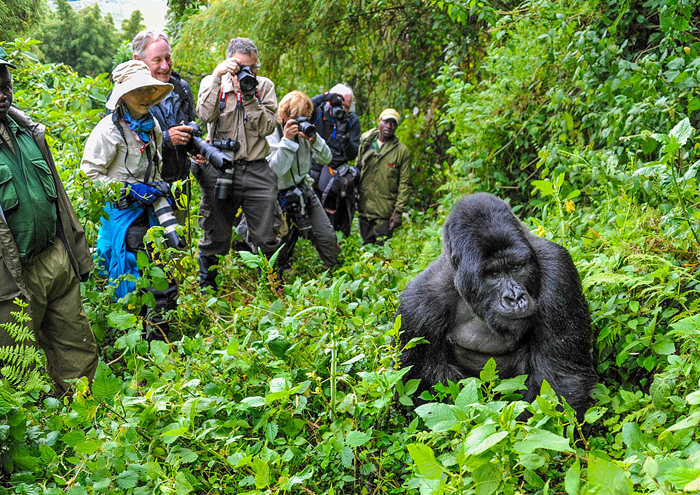
wildlife attraction. For tourists, gorilla trekking offers something that is
difficult to reproduce through conventional wildlife viewing. Instead of
observing animals from a vehicle at a distance, visitors enter the forest and
encounter mountain gorillas in their natural environment.
The experience provides adventure, emotional connection and
educational value. Tourists learn about gorilla behaviour, family structures,
conservation and the importance of protecting their habitat. The physical challenge
of walking through mountainous and sometimes difficult terrain also makes the
experience more memorable.
The limited number of visitors permitted to trek particular
gorilla groups helps create a more exclusive experience. For many tourists, the
knowledge that their visit contributes to conservation and local livelihoods
adds meaning to the experience.
Gorilla trekking also encourages responsible tourism. Visitors
are required to follow rules designed to protect both the gorillas and
themselves. These include maintaining appropriate distances, limiting the
duration of encounters and following the instructions of guides and trackers.
Consequently, tourists become not only consumers of a tourism
product but also participants in a conservation system.
Challenges Facing the Communities
Despite the benefits, communities surrounding gorilla habitats
face several challenges. One is the restriction of access to resources within
protected forests. Communities that historically depended on forests for land,
food, medicinal plants or other resources may experience conservation
restrictions as a loss of livelihood opportunities.
Tourism benefits are also not always distributed equally. A
community may live next to a highly profitable tourism destination without
every household receiving direct income from it. Employment opportunities can
be limited, seasonal or concentrated among people with particular skills.
Another challenge is the rising cost of living that can
accompany tourism development. Increased demand for land, accommodation and
goods can place pressure on local residents, particularly where tourism grows
faster than local economic opportunities.
Human-wildlife conflict can also affect communities living near
protected areas. Wildlife may occasionally move beyond park boundaries and
damage crops, creating frustration among farmers and potentially weakening
support for conservation.
Community Strategies
Communities and conservation stakeholders have responded through
livelihood diversification, community-based tourism and greater participation
in conservation programmes. Local people are encouraged to develop businesses
that can benefit from tourism rather than relying solely on employment provided
by large tourism operators.
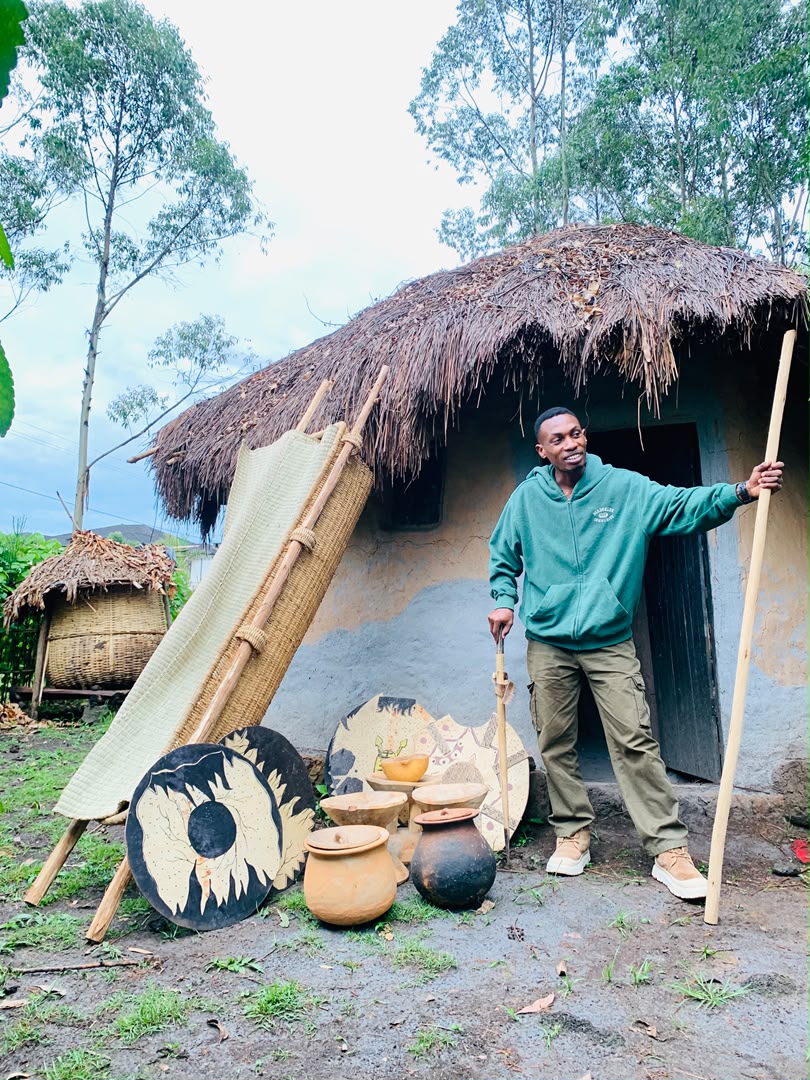
Community tourism initiatives, handicrafts, cultural
performances, accommodation facilities and agricultural supply chains can help
spread tourism income more widely.
Revenue-sharing programmes also provide a mechanism through
which communities can see tangible benefits from protected areas. Investment in
schools, health services, water projects and roads can strengthen public
support for conservation.
Education and conservation awareness are equally important. When
communities understand the economic value of protecting gorillas and their
habitat, they are more likely to participate in protecting the resource on
which tourism depends.
Challenges Facing the Government and Tourism
Industry
The government faces the difficult task of balancing
conservation, tourism development and economic growth. Too much tourism can put
pressure on gorilla habitats, while too little tourism can reduce the financial
resources available for conservation and communities.
Gorillas are also vulnerable to human diseases because of their
close genetic relationship with humans. Increased interaction between tourists,
local people and gorillas therefore creates health risks that must be carefully
managed.
Another challenge is infrastructure. The areas where gorillas
live are often remote and mountainous. Poor roads, limited transport
connections and inadequate tourism infrastructure can make access difficult and
increase the cost of operating tourism businesses.
The government must also address the challenge of maintaining
Uganda's competitiveness. Other destinations offer wildlife and adventure
experiences, meaning Uganda must continually improve service quality,
marketing, infrastructure and conservation standards.
Government Strategies
Uganda has addressed these challenges through regulated tourism,
controlled visitor numbers, permit systems and conservation management.
Limiting the number of visitors allowed to interact with gorillas helps reduce
stress on the animals and limits the environmental impact of tourism.
Revenue generated from tourism is also reinvested into
conservation and protected-area management. Rangers, trackers and other
conservation personnel play an important role in monitoring gorilla groups,
preventing illegal activities and responding to threats.
Health and safety regulations have become increasingly
important. Visitors are expected to follow strict guidelines concerning
distance, hygiene and behaviour around gorillas. These measures reduce the risk
of disease transmission and protect both wildlife and tourists.
The government has also promoted destination diversification. By
encouraging tourists to combine gorilla trekking with other attractions, Uganda
can increase visitor spending and lengthen stays without placing all tourism
pressure on the gorilla experience.
Strategies to Improve the Tourist Experience
Tourism operators and conservation authorities have responded by
providing trained guides, trackers and porters. Guides prepare visitors for the
physical demands of trekking, explain gorilla behaviour and ensure that tourism
rules are followed.
Porters can also assist visitors with luggage and difficult
sections of the trail while creating additional employment opportunities for
local residents. This turns a potential challenge for tourists into an economic
opportunity for communities.
Tour operators increasingly combine gorilla trekking with other
activities so that visitors receive a broader experience of Uganda. Good
accommodation, transportation, pre-trek briefings and cultural experiences can
further improve the overall quality of the trip.
Most importantly, visitor management protects the quality of the
encounter. Keeping groups small and regulating interactions helps ensure that
tourists can experience gorillas without turning the forest into an overcrowded
tourist attraction.
The Future of Gorilla Trekking as Uganda's
Unique Selling Point
Gorilla trekking has become one of Uganda's strongest tourism
selling points because it combines rarity, adventure, conservation and human
connection. Few tourism experiences offer visitors the opportunity to walk
through an ancient forest and encounter one of the world's most endangered great
apes at close range.
However, the long-term value of gorilla tourism will depend on
how responsibly it is managed. Uganda must continue protecting gorilla
habitats, maintaining high tourism standards, supporting communities and
ensuring that the financial benefits of tourism reach the people living closest
to the resource.
The greatest opportunity lies in using gorilla trekking as a
catalyst for broader tourism development. A visitor attracted to Uganda by
gorillas can be encouraged to discover the country's other national parks,
cultures, landscapes, rivers, mountains and cities. In this sense, the gorilla
is more than a tourism attraction: it is a symbol around which Uganda can build
a wider destination identity.
The evolution of gorilla trekking demonstrates how conservation
and tourism can reinforce each other when carefully managed. For communities,
it provides livelihoods and development opportunities. For government, it
generates revenue, employment and international tourism demand. For tourists, it
delivers an extraordinary wildlife experience with a deeper conservation story.
Ultimately, Uganda's unique selling point is not simply that
tourists can see gorillas. It is that gorilla tourism can connect an
unforgettable visitor experience with the survival of a species, the protection
of a forest and the economic wellbeing of the people who live around it.