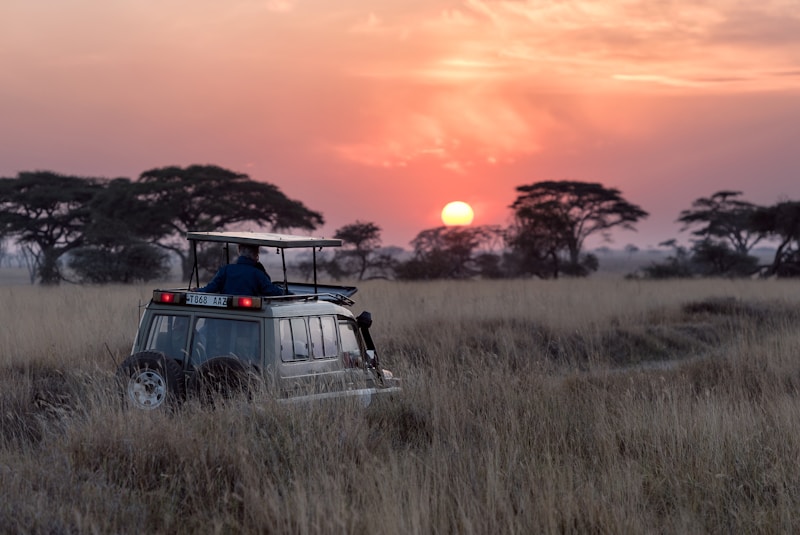
Why Serengeti National Park Matters
Serengeti National Park is Tanzania's most famous wildlife destination and one of the world's greatest safari ecosystems, renowned for its vast open grasslands, scattered rocky outcrops known as kopjes, river valleys and remarkable concentration of wildlife. The park is particularly celebrated for the Great Wildebeest Migration, one of nature's most spectacular wildlife events, involving approximately 1.5 million wildebeest accompanied by hundreds of thousands of zebras and gazelles as they move in search of fresh grazing and water. Visitors can encounter the Big Five – lions, leopards, elephants, buffaloes and rhinoceros – alongside cheetahs, hyenas, giraffes, hippos and numerous antelope species. Its diverse landscapes also support an impressive variety of birdlife, making the Serengeti an exceptional destination for wildlife photography and birdwatching.
The park offers year-round game drives, guided nature experiences and spectacular hot-air balloon safaris, which provide a unique aerial perspective of the plains and wildlife. The best time to visit depends on the experience desired: January to March is particularly rewarding for the wildebeest calving season in the southern Serengeti, while June to October generally offers excellent dry-season wildlife viewing and opportunities to witness migration movements in the western and northern regions. Visitors should understand that the Great Migration is a continuous movement rather than a fixed event, so sightings depend on rainfall and grazing conditions. Due to the park's considerable size, spending at least two to three nights is recommended, with accommodation selected according to the areas being explored