Gorilla trekking in Uganda is one of Africa’s most unforgettable wildlife experiences. Deep in the
misty forests of southwestern Uganda, you can hike through ancient rainforest, follow expert
trackers, and come face-to-face with a family of endangered mountain gorillas in their natural
habitat.
Uganda offers gorilla trekking in two national parks: Bwindi Impenetrable National Park and
Mgahinga Gorilla National Park. Bwindi has several trekking sectors and offers more flexibility,
while Mgahinga provides a more intimate experience in the spectacular Virunga landscape.
This guide covers everything you need to know, from choosing the right park and time of year to
permits, accommodation, what to pack, trek difficulty, costs, safety, and how to make your
experience responsible and rewarding.
Why Go Gorilla Trekking in Uganda?
Mountain gorillas are critically endangered, and seeing them in the wild is a privilege rather than
an ordinary wildlife encounter.
Unlike a traditional game drive, gorilla trekking requires you to enter their environment on foot.
You move through dense vegetation, across steep slopes and sometimes muddy trails while
experienced rangers and trackers search for the gorilla family assigned to your group.
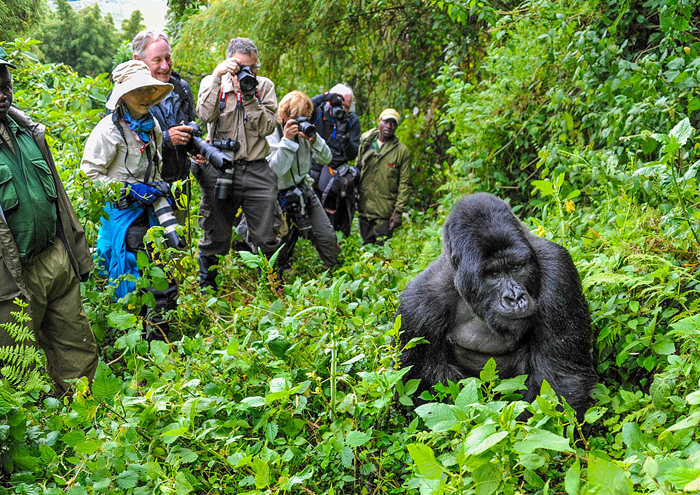
Once the gorillas are located, you are allowed a strictly regulated period with them. You may
watch them feeding, climbing, resting, grooming or interacting with one another. The
experience can be remarkably peaceful, particularly when a curious young gorilla approaches
or a massive silverback emerges from the vegetation.
Beyond the wildlife experience, your visit contributes to conservation and supports communities
living around the national parks.
Where Can You Go Gorilla Trekking in Uganda?
There are two national parks where gorilla trekking takes place in Uganda.
Bwindi Impenetrable National Park Bwindi is Uganda's most famous gorilla trekking destination and is home to numerous habituated
gorilla families distributed across four main trekking sectors: Buhoma, Ruhija, Rushaga and
Nkuringo.
The forest is extraordinarily rich in biodiversity and has a dramatic landscape of steep hills, valleys
and thick vegetation. Because there are several trekking sectors, travellers have more options
when planning their safari.
Bwindi is particularly suitable if you want to combine gorilla trekking with other experiences such
as bird-watching, forest walks, cultural visits and community activities.
Mgahinga Gorilla National Park
Mgahinga is located in the far southwest of Uganda and forms part of the larger Virunga
conservation landscape shared by Uganda, Rwanda and the Democratic Republic of Congo.
The park is smaller than Bwindi and is dominated by spectacular volcanic mountains. Gorilla
trekking here combines the excitement of searching for gorillas with dramatic views of the
Virunga volcanoes.
Mgahinga can be an excellent choice for travellers who prefer a smaller, quieter national park
and want to combine gorilla trekking with volcano hiking or other activities around Kisoro.
Understanding the Bwindi Trekking Sectors.
Choosing your trekking sector is one of the most important decisions when planning a Uganda
gorilla safari.
Buhoma sector
Buhoma is located in the northern part of Bwindi and is one of the park's most established
tourism areas.
It has a good selection of accommodation and is particularly attractive to travellers who want
to combine gorilla trekking with forest walks and community experiences.
Buhoma is also well known for its beautiful forest scenery and established tourism infrastructure.
Ruhija sector
Ruhija lies on the eastern side of Bwindi and is especially appealing to travellers interested in
both gorillas and birdwatching.
The area has a high-altitude forest environment and is known for its biodiversity. It can be a good
option if you want a quieter atmosphere and plan to include birdwatching in your itinerary. Rushaga sector
Rushaga is in southern Bwindi and is an important area for gorilla trekking.
It is also associated with Uganda's Gorilla Habituation Experience, which provides a longer
encounter with a gorilla group that is still undergoing habituation.
For travellers who want to spend substantially more time observing gorillas and learning about
the habituation process, this can be an especially appealing option.
Nkuringo sector
Nkuringo lies in the southwestern part of Bwindi and is known for its steep terrain and spectacular
scenery.
The area offers impressive views toward the Virunga volcanoes and is particularly suited to
adventurous travellers who enjoy hiking.
The terrain can be demanding, so good physical preparation is important.
How Much Does Gorilla Trekking in Uganda Cost?
The largest expense of a Uganda gorilla safari is usually the gorilla trekking permit.
For 2026, the standard permit for foreign non-residents is generally listed at $800 per person The
applicable tariff should always be confirmed when booking because Uganda Wildlife Authority
fees can change.
A gorilla habituation experience costs $1500 more than a standard trek and provides a
substantially longer encounter.
Your permit is only one part of the total safari budget.
You should also budget for: Accommodation
Transport to and from Bwindi or Mgahinga
Meals
Airport transfers
Porter services
Tips
Travel insurance
Visa expenses where applicable
Additional activities
Personal expenses A lower-cost trip can be arranged by staying in budget accommodation and using shared
transport, while luxury lodges and private vehicles can significantly increase the overall cost.
What Does the Gorilla Permit Include?
The permit provides access to the gorilla trekking experience under the management of
Uganda's wildlife authorities.
It covers the regulated gorilla encounter and the services associated with the guided trek. It
does not normally cover your accommodation, transportation to the park, personal expenses or
porter services and tips.
Your permit is linked to a particular trekking location, so choosing the correct sector is important.
Your accommodation should generally be arranged close to the sector where you will trek.
When Is the Best Time to Go Gorilla Trekking in
Uganda?
Gorilla trekking takes place throughout the year, so there is no single month when trekking is
impossible.
However, some periods are more comfortable than others.
June to September
June through September is generally considered one of the best periods for trekking.
The weather is typically drier, trails are often easier to navigate and there is less persistent rainfall.
These months are also popular, so permits and accommodation should be booked well in
advance.
December to February.
December through February is another popular period.
Conditions are generally relatively dry, although rainfall is always possible in a rainforest
environment. These months are excellent for travellers who want to combine gorilla trekking with
a broader Uganda safari.
March to May.
The March-to-May period tends to be wetter.
Rain can make trails muddy and slippery, and hiking conditions may be more challenging.
However, the forest is lush and beautiful, and travellers who are comfortable with unpredictable
weather may enjoy a quieter experience.
October to November.
October and November can also bring more rainfall.
For travellers looking for potentially lower permit costs and fewer visitors, this period can be worth
considering. The important thing is to come prepared for wet conditions.
How Difficult Is Gorilla Trekking?
Gorilla trekking is not a simple nature walk.
The difficulty varies considerably because gorilla families move through the forest and their
location changes from day to day. You could have a relatively short walk or spend several hours
hiking through steep terrain before reaching the gorillas.
The terrain can include:
Steep hills
Muddy trails
Dense vegetation
Exposed tree roots
Uneven ground
Slippery slopes
Streams and small obstacles
You do not need to be an elite athlete, but a reasonable level of fitness is strongly
recommended.
If you regularly walk, hike, cycle or exercise, you will generally be better prepared for the
physical demands.
How to Prepare Physically
Start preparing several weeks before your safari.
Walking regularly is one of the simplest ways to prepare. Gradually increase the distance and
include hills or stairs whenever possible.
Strengthening your legs and core can also help. Squats, lunges, step-ups and regular walking
can prepare your body for climbing and descending steep trails.
Most importantly, get used to walking for several hours at a time.
The forest environment can also be humid, so hydration is important.
What Should You Wear?
The right clothing can make a significant difference to your comfort.
Wear lightweight, breathable clothing that covers your arms and legs. Long trousers and long
sleeved shirts help protect you from vegetation, insects and scratches.
Essential clothing includes: Long hiking trousers
Long-sleeved shirt
Waterproof hiking boots
Warm layers
Waterproof jacket
Hat
Comfortable socks
Gardening or hiking gloves
Lightweight rain gear
Choose clothing that you do not mind getting muddy.
Bright colours are generally best avoided. Natural, muted colours are more appropriate for a
wildlife environment.
What Should You Pack.
Keep your daypack relatively light because you may be carrying it for several hours.
Useful items include:
Drinking water
Packed lunch or snacks
Waterproof backpack cover
Camera
Extra batteries or power bank
Binoculars
Sunscreen
Insect repellent
Small first-aid kit
Personal medication
Tissues
Hand sanitizer
Rain jacket
Lightweight sweater
A waterproof bag or dry bag is particularly useful because rain can arrive unexpectedly.
Why You Should Hire a Porter
Hiring a porter is one of the best decisions you can make on a gorilla trek.
A porter can carry your backpack, help you navigate difficult sections and provide physical
assistance when the trail becomes challenging.
More importantly, porter employment provides direct economic benefits to communities around
the park.
Even if you are physically fit, hiring a porter allows you to concentrate on the forest and wildlife
rather than worrying about carrying your equipment.
What Happens on Gorilla Trekking Day?
Your day normally starts early.
You will arrive at the relevant park headquarters or briefing point, where your group receives
information about the trek and the rules for interacting with the gorillas.
You will then be assigned a gorilla family and begin hiking into the forest with trained trackers
and rangers.
The trackers work ahead of the group to determine where the gorillas are located.
Once your group reaches the gorillas, the atmosphere changes completely. The noisy
anticipation of the hike gives way to quiet observation as everyone watches the animals from
the designated distance.
You may see gorillas feeding, playing, resting, grooming or moving through the forest.
After the permitted viewing period, the group begins the journey back to the starting point.
How Long Does Gorilla Trekking Take?
There is no guaranteed trek duration.
The gorillas do not remain in one location waiting for visitors. Their movements depend on food,
weather, social behaviour and other factors.
You may reach a family relatively quickly, or you may spend several hours hiking before finding
them.
This unpredictability is part of what makes gorilla trekking an adventure rather than a
conventional wildlife viewing experience.
The Gorilla Habituation Experience
For travellers who want a more immersive experience, Uganda offers the Gorilla Habituation
Experience.
Instead of visiting a fully habituated group for the standard viewing period, participants
accompany researchers and trackers as they work with a gorilla family that is becoming
accustomed to human presence.
The experience can last several hours and offers more time to observe gorilla behaviour.
It is particularly suitable for wildlife enthusiasts, photographers, researchers and travellers who
want to understand more about gorilla conservation.
Because it is more specialized and limited, it should be booked well in advance.
Gorilla Trekking Rules You Need to Know
The rules exist to protect both gorillas and visitors.
During your encounter, you should Follow your ranger's instructions at all times.
Maintain the required distance from the gorillas.
Avoid making loud noises.
Never attempt to touch a gorilla.
Never feed the gorillas.
Avoid using flash photography.
Do not chase or block the animals.
Avoid visiting the gorillas when you are sick.
follow all instructions concerning photography and movement.
Dispose of all waste responsibly.
These rules are essential because mountain gorillas are vulnerable to human illnesses and
excessive human disturbance.
Can Children Go Gorilla Trekking?
Gorilla trekking has a minimum age requirement, and children under 15 are not permitted to
participate in standard gorilla trekking. Families travelling with younger children can consider other Uganda safari experiences,
including game drives, boat trips, cultural activities and nature walks.
Where Should You Stay?
Accommodation should be chosen based on your trekking sector.
Staying close to your briefing point is highly recommended because you normally need to arrive
early in the morning.
Bwindi and Mgahinga offer everything from basic guesthouses and camps to high-end forest
lodges. Budget accommodation is ideal for travellers who want to put more of their money toward
activities and transport.
Mid-range lodges provide a balance between comfort and price.
Luxury lodges can turn the gorilla safari into a complete high-end wilderness experience, with
private rooms, excellent food, beautiful views and additional services.
How to Get to Bwindi
Most international travellers begin their Uganda trip in Entebbe or Kampala.
From there, reaching Bwindi is primarily a road journey. The drive can take several hours
depending on your starting point, route and final trekking sector.
For many travellers, flying to a nearby airstrip and continuing by road can reduce travel time.
Because the different Bwindi sectors are separated by difficult terrain and winding roads, you
should choose your trekking sector before finalizing transportation and accommodation.
How to Combine Gorilla Trekking With a Uganda
Safari
Gorilla trekking works particularly well as part of a longer Uganda itinerary.
A popular itinerary can include Queen Elizabeth National Park, where you can enjoy game
drives and explore the famous Kazinga Channel.
You can also add Kibale Forest for chimpanzee trekking.
Lake Bunyonyi is another excellent addition, especially for travellers who want several peaceful
days surrounded by dramatic hills and water after their gorilla trek.
Other possibilities include Murchison Falls National Park, Kidepo Valley National Park, Mount
Elgon and cultural experiences around southwestern Uganda.
Combining several destinations makes the long journey to southwestern Uganda more
worthwhile and allows you to experience different sides of the country.
Gorilla Trekking and Conservation
Gorilla.
Tourism plays an important role in conservation.
Permits and tourism-related spending contribute to the management of protected areas,
employment and surrounding communities.
The economic value of living mountain gorillas gives conservation authorities and communities
an important reason to protect their habitat.
Tourism also creates employment for guides, trackers, rangers, drivers, lodge employees and
porters.
Your choices as a traveller therefore matter.
Using responsible tour operators, respecting park regulations, hiring local porters and purchasing
locally made products can help ensure that more of your tourism spending benefits the people
living near the forest.
How to Be a Responsible Gorilla Trekker
Responsible tourism begins before you reach the forest.
Choose a reputable operator and ensure that your permit is legitimate.
Respect the local communities and avoid treating them simply as part of a tourist attraction.
When visiting villages or cultural sites, ask before taking photographs.
Support local businesses where possible and avoid buying products made from protected
wildlife or illegally sourced materials.
Most importantly, remember that the gorillas are wild animals.
The goal is not to get the closest photograph or force an interaction. The goal is to observe them
without disturbing their natural behaviour.
Common Mistakes to Avoid.
One of the biggest mistakes is booking accommodation before confirming the gorilla permit
and trekking sector.
Another mistake is underestimating the physical demands of the trek. Even fit travellers can find
steep, muddy rainforest terrain challenging.
Travellers also sometimes pack too much. A heavy backpack becomes increasingly
uncomfortable after several hours of hiking.
Another common mistake is failing to prepare for rain. Bwindi is a rainforest, and weather can
change quickly even during traditionally drier months.
Finally, do not build your entire experience around getting the perfect photograph. Some of the
most memorable moments happen when you put the camera down and simply watch the
gorillas.
Uganda.
Gorilla Trekking: Frequently Asked Questions.
Is gorilla trekking safe in Uganda?
Yes. Gorilla trekking is conducted under the supervision of trained rangers and trackers. Visitors
are briefed before entering the forest and must follow established safety rules.
How close can you get to the gorillas?
Visitors must maintain the distance required by park authorities and follow ranger instructions.
The exact encounter can feel remarkably close because the gorillas may move through the
forest near your group.
Will I definitely see gorillas?
Gorilla trekking is designed around locating habituated families, and trackers work to find them
each day. However, gorillas are wild animals, so wildlife encounters can never be treated like a
guaranteed appointment.
Is Uganda cheaper than Rwanda for gorilla trekking?
Uganda has historically offered lower standard gorilla permit prices than Rwanda, although the
total cost of your safari depends on accommodation, transportation, trip duration and other
activities.
How far in advance should I book?
Booking several months ahead is recommended, particularly for popular travel periods. If you
have fixed dates, booking earlier gives you a better chance of securing your preferred trekking
sector and accommodation.
What is the most important thing to bring?
Good waterproof hiking footwear, appropriate clothing, rain protection and sufficient drinking
water are among the most important practical items.
Is gorilla trekking worth the money?
For most wildlife enthusiasts, yes. The experience combines adventure, conservation, rainforest
exploration and a rare opportunity to observe one of the world's most fascinating animals in its
natural environment.
Final Tips for an Unforgettable Gorilla Trek.
Book your permit before committing to your accommodation.
Choose your trekking sector carefully.
Allow enough time in Uganda so that your safari does not feel rushed.
Train before your trip.
Hire a porter.
Bring waterproof clothing.
Keep your camera ready, but remember to enjoy the experience without looking through the
lens the entire time.
Respect every instruction from your rangers and trackers.
Support local communities.
And most importantly, approach the experience with patience.
Gorilla trekking is not simply
about seeing a gorilla. It is about entering a remarkable ecosystem and spending a brief,
privileged moment in the world of one of our closest wild relatives.
Plan Your Uganda Gorilla Trekking Adventure.
A gorilla trek in Uganda can become the highlight of your entire African safari. From the
dramatic hills of Bwindi to the volcanic landscapes of Mgahinga, the journey offers much more
than a wildlife encounter. it is an opportunity to experience Uganda's forests, communities,
conservation efforts and extraordinary biodiversity. gorilla trekking has been on your bucket list, now is the time to start planning.
Choose your
preferred travel dates, secure your gorilla permit, select the right trekking sector and build an
itinerary that gives you enough time to experience the best of Uganda.
Start planning your Uganda gorilla trekking adventure today and prepare for an encounter you
will remember for a lifetime.