A
complete travel guide to exploring the pearl of africa.
Uganda,
famously known as the pearl of africa, is one of East Africa's most captivating
travel destinations. From breathtaking landscapes and magnificent wildlife to
welcoming communities, rich cultural traditions and unforgettable adventures,
Uganda offers visitors an extraordinary travel experience.
Whether
you are planning your first African safari, a gorilla trekking adventure, a
cultural holiday or a relaxing getaway, Uganda has something special to offer.
The country is home to spectacular national parks, the source of the river
nile, beautiful freshwater lakes, lush green countryside and some of africa's
most remarkable wildlife experiences.
However,
travelling to a new country requires preparation. Understanding local customs,
travel requirements, transportation, weather conditions and safety considerations
can make your visit more comfortable, enjoyable and memorable.
Before
packing your bags and booking your flight, here are 10 important things every
tourist should know before travelling to Uganda.
1.
Understand Uganda's visa and entry requirements
One
of the first things to consider before travelling to Uganda is ensuring that
you have the correct travel documents. Most
international visitors need a visa to enter Uganda, although requirements
depend on nationality. Travellers should check the official Uganda immigration
website to establish whether they need a visa and how to apply. Uganda
offers an online electronic visa application system, allowing eligible
travellers to apply before departure.
Before
travelling, make sure you have:
A
valid passport, generally with at least six months' validity.
An
approved visa or other appropriate entry authorization, where required.
Travellers
visiting Uganda alongside Kenya and Rwanda may also consider the east African
tourist visa, which allows eligible visitors to travel between the three
participating countries under one visa arrangement, subject to its conditions.
Travel
tip: apply through official government immigration channels rather than relying
on unfamiliar third-party websites. Always check the latest requirements before
departure, as immigration regulations can change.
2.
Uganda has incredible tourist attractions worth exploring
Uganda
is much more than a destination for wildlife lovers. It offers an impressive
variety of attractions, making it suitable for adventure seekers, nature
enthusiasts, families, photographers and cultural travellers.
Some
of the country's most popular destinations include:
Bwindi
impenetrable national park: famous for mountain gorilla trekking, offering
visitors a rare opportunity to observe endangered mountain gorillas in their
natural habitat.
Queen
Elizabeth national park: known for its diverse wildlife, beautiful landscapes,
kazinga channel boat cruises and famous tree-climbing lions in the ishasha
sector.
Murchison
falls national park: home to the spectacular murchison falls, where the river
nile forces its way through a narrow gorge.
Kibale
national park: one of africa's outstanding destinations for chimpanzee tracking
and primate experiences.
Lake
bunyonyi: a beautiful highland lake surrounded by rolling hills and dotted with
picturesque islands.
Jinja:
widely recognised as East Africa's adventure capital and a popular destination
for white-water rafting, boat trips and visits to the source of the river nile.
Rwenzori
mountains national park: an excellent destination for adventurous travellers
interested in mountain trekking and spectacular alpine scenery.
Uganda's
attractions are spread across different regions, so it is worth planning your
itinerary according to the time you have available.
Travel
tip: do not try to visit every attraction in a few days. Allow enough time to
enjoy each destination without spending your entire holiday travelling between
locations.
3.
Understand Uganda's weather and best time to visit
Uganda
enjoys a tropical climate, but temperatures and weather conditions vary
depending on altitude and geographical location. Unlike
destinations with four distinct seasons, Uganda generally experiences
alternating wet and relatively dry periods.
The
main relatively dry periods are usually:
December
to February.
June
to August.
The
main rainy periods generally occur around:
March
to may.
September
to November.
These
patterns can vary from year to year, and rainfall is not always predictable.
The
relatively dry months are popular for wildlife safaris, gorilla trekking,
chimpanzee tracking and outdoor adventures because some roads and hiking trails
may be easier to navigate.
However,
the rainy seasons also have their advantages. The countryside becomes
beautifully green, birdwatching opportunities are excellent, and some
accommodation providers may offer lower rates.
What
should you pack?
Lightweight
clothing for warm daytime temperatures.
A
light jacket or sweater for cooler evenings.
Comfortable
walking shoes or hiking boots.
A
waterproof jacket or raincoat.
Sunscreen,
sunglasses and a hat.
Travel
tip: if you are planning gorilla trekking or mountain hiking, pack for changing
weather conditions. Even during relatively dry months, rain can occur,
particularly in forested and mountainous areas.
4.
Learn about Uganda's local currency and payment methods
Uganda's
official currency is the Ugandan shilling (UGX). Although
some hotels, tour operators and larger businesses accept international
currencies and cards, visitors should not assume that every establishment
accepts foreign payment methods.
Cash
remains important, especially when travelling outside major towns and cities.
Here
are a few useful things to know:
Carry
some Ugandan shillings for small purchases, local markets, transport and tips.
Major
hotels and larger businesses may accept visa and MasterCard.
ATMs
are available in Kampala, Entebbe and other major towns, but availability can
be limited in remote areas.
Mobile
money is widely used by residents, although international visitors may need a
locally registered SIM card and appropriate registration to access certain
services.
Always
check exchange rates and transaction charges before exchanging money.
It
is advisable to exchange money through reputable banks or authorized foreign
exchange bureaus.
Travel
tip: carry a reasonable amount of local currency when visiting national parks,
rural communities and remote tourist destinations. Do not rely entirely on
credit cards or digital payments.
5.
Respect Uganda's culture, traditions and local communities
One
of the most memorable aspects of visiting Uganda is experiencing its warm
hospitality and cultural diversity.
Uganda
is home to numerous ethnic communities, each with its own traditions,
languages, music, food and cultural practices.
English
is the official language and is widely used in business, tourism and education.
Swahili is also an official language, while Luganda is widely spoken in central
Uganda, particularly around Kampala.
Visitors
should understand that cultural expectations may differ from those in their
home countries.
A
few simple ways to show respect include:
Greet
people politely before starting conversations. Dress
appropriately when visiting religious institutions and traditional communities.
Ask
permission before photographing individuals.
Respect
local customs and community traditions.
Avoid
making insensitive comments about cultural practices.
Be
polite when bargaining in local markets.
Ugandans
are generally friendly and welcoming, and visitors who show genuine interest in
local culture often enjoy meaningful interactions.
Travel
tip: learn a few simple Luganda expressions before arriving.
Words such as oli
otya? (How are you?) And webale (thank you) can help create positive
connections with local people.
6.
Plan your transportation and understand travel distances
Getting
around Uganda can be an adventure in itself.
The
country has different transportation options, including private safari
vehicles, taxis, motorcycle taxis, public minibuses, buses and domestic
flights.
Your
preferred transport method will depend on your budget, destination, comfort
level and travel schedule.
Here
are some common options:
Private
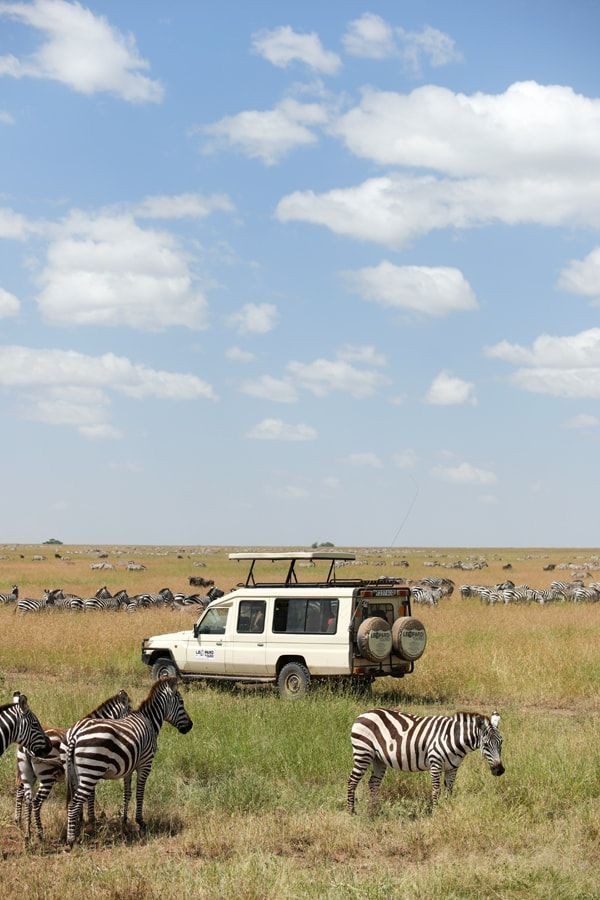
safari vehicles: ideal for national park visits, wildlife safaris and
long-distance journeys.
Taxis
and ride-hailing services: convenient for getting around Kampala and other
urban areas.
Boda
bodas: motorcycle taxis commonly used for short-distance journeys, particularly
in busy towns and cities.
Public
minibuses: a relatively affordable way to travel between towns and urban areas.
Domestic
flights: useful for reducing travel time when visiting distant safari
destinations.
One
important thing tourists should understand is that distances on a map do not
always reflect actual travel time.
Some
roads leading to national parks and remote tourist destinations can be rough,
especially during rainy periods. Traffic congestion in Kampala can also cause
significant delays.
For
example, travelling from Entebbe international airport to Kampala can take
considerably longer during peak traffic hours.
Travel
tip: for wildlife safaris and visits to remote national parks, consider hiring
an experienced local tour operator with a suitable four-wheel-drive vehicle.
Allow extra time for road journeys and avoid travelling unfamiliar rural routes
at night.