Why Pian Upe Matters
Established in 1964 and formerly known as the Debasien Animal Sanctuary, Pian-Upe Wildlife Reserve is Uganda's second-largest protected area, covering approximately 2,314 square kilometres (231,400 hectares). Located in the Karamoja sub-region of eastern Uganda, the reserve lies north of Mount Elgon and stretches towards Mount Kadam, forming part of the country's vast conservation landscape alongside Bokora and Matheniko Wildlife Reserves.
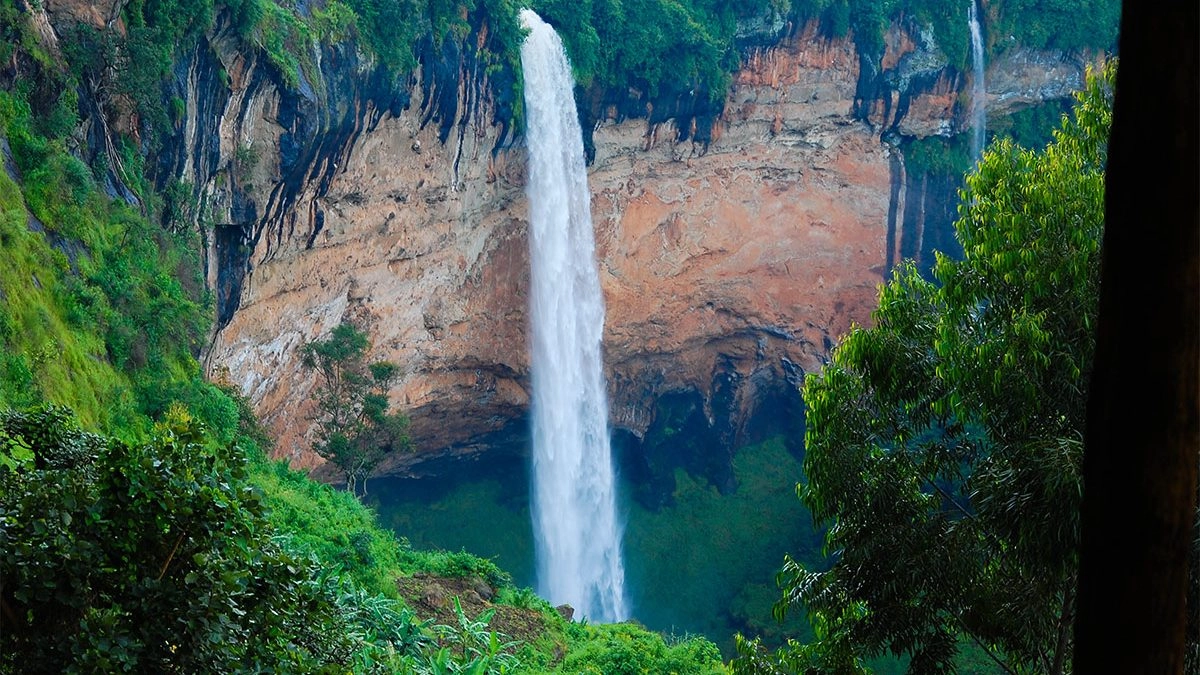
The reserve is characterized by sweeping savannah grasslands, wooded plains, rocky outcrops, seasonal rivers, and wetlands that create diverse habitats for an impressive variety of wildlife. Towering above the reserve is Mount Kadam, rising to about 3,068 metres, offering spectacular scenery and opportunities for hiking and nature exploration.
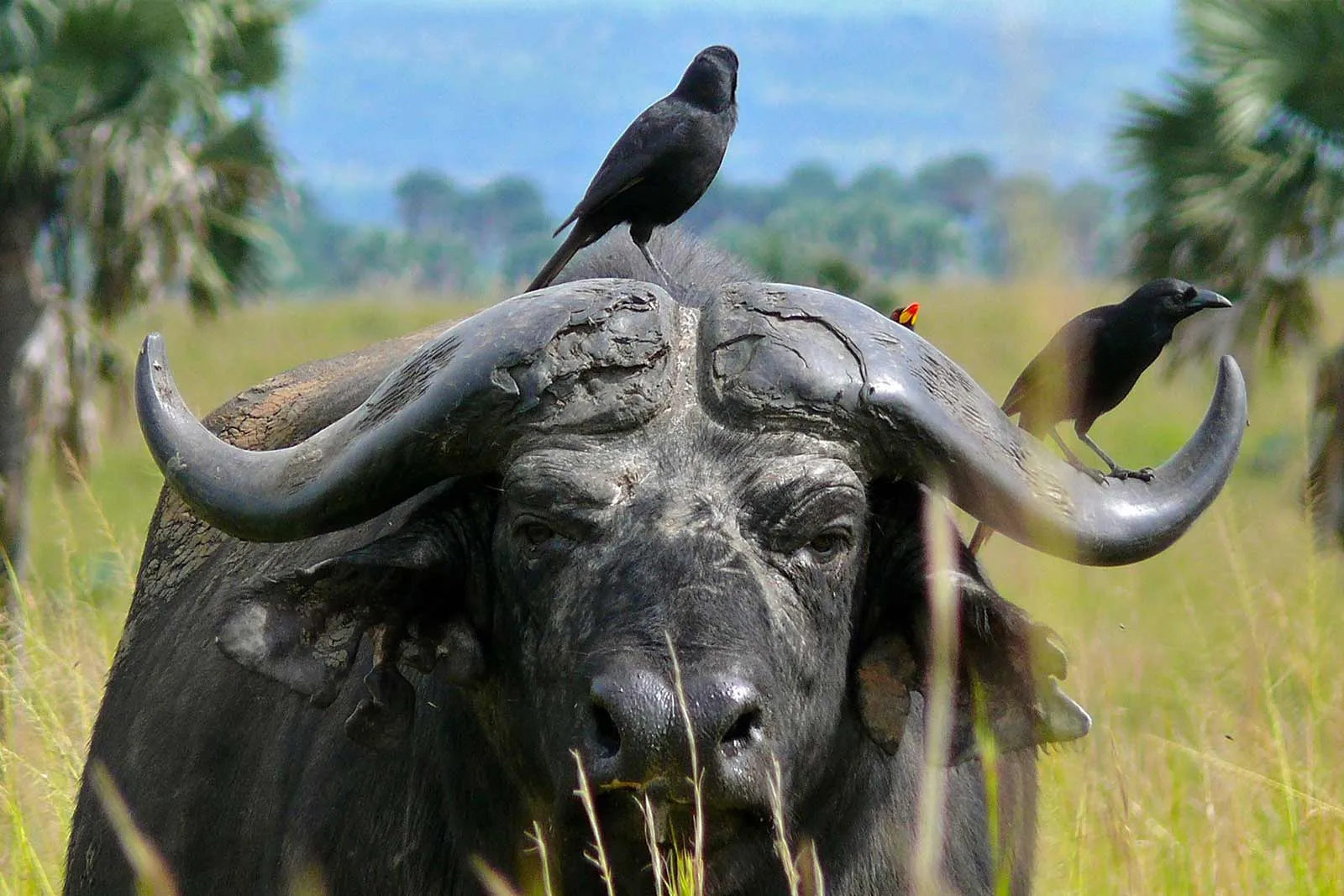
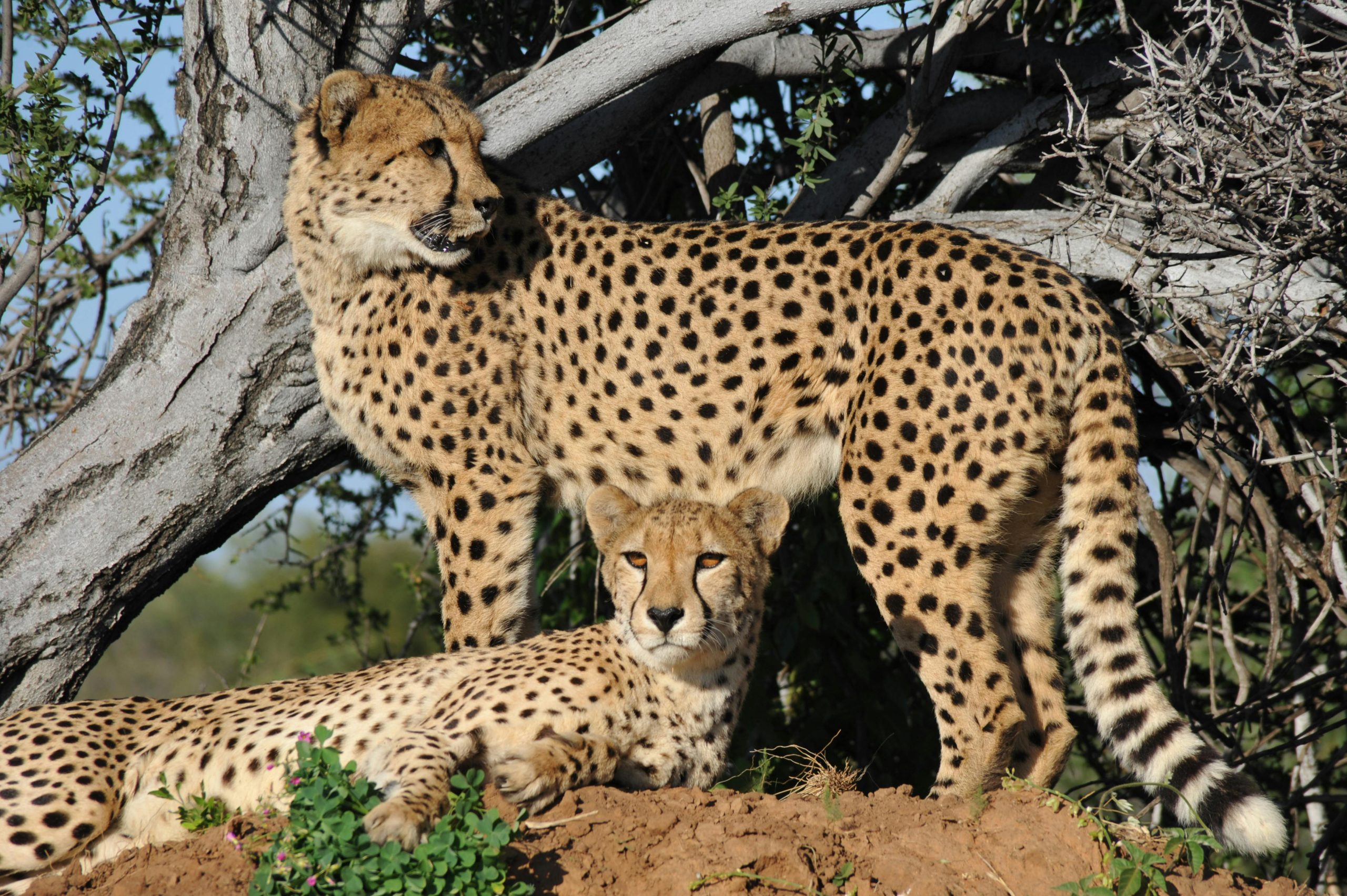
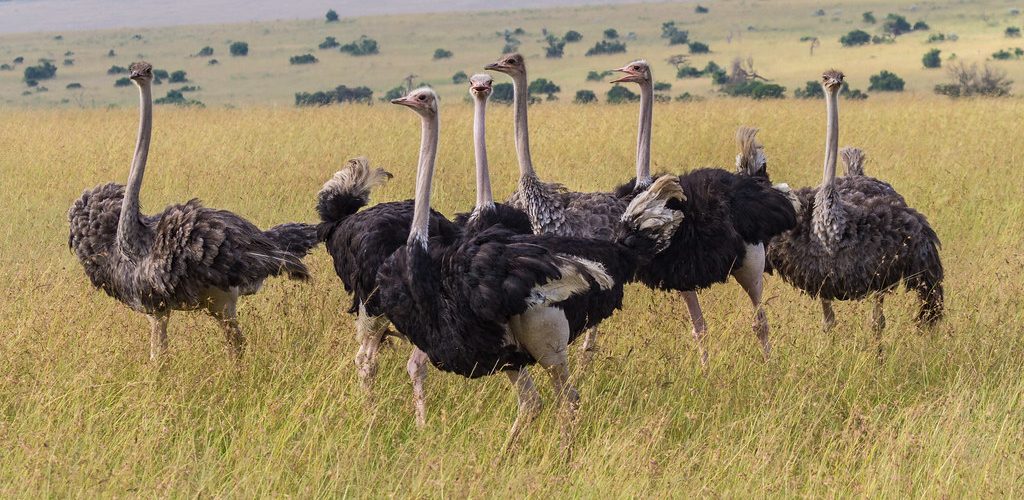
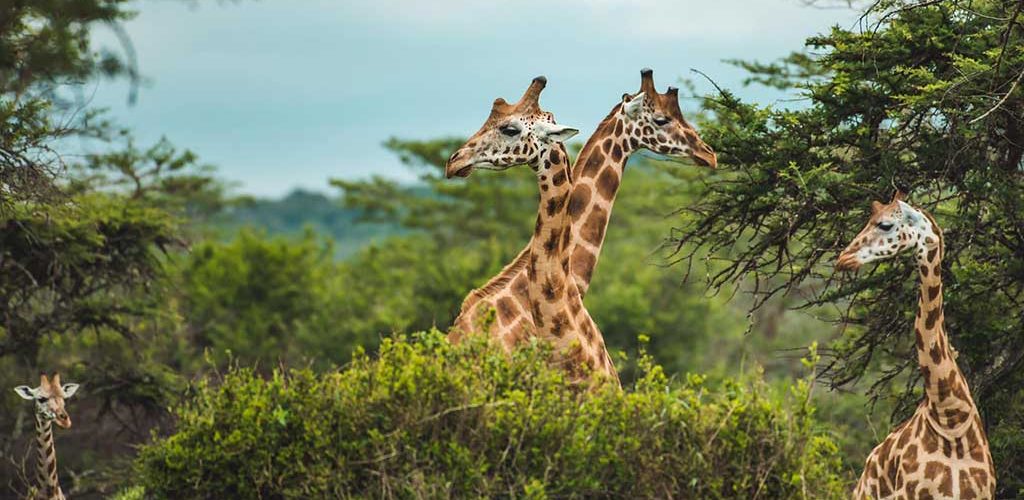
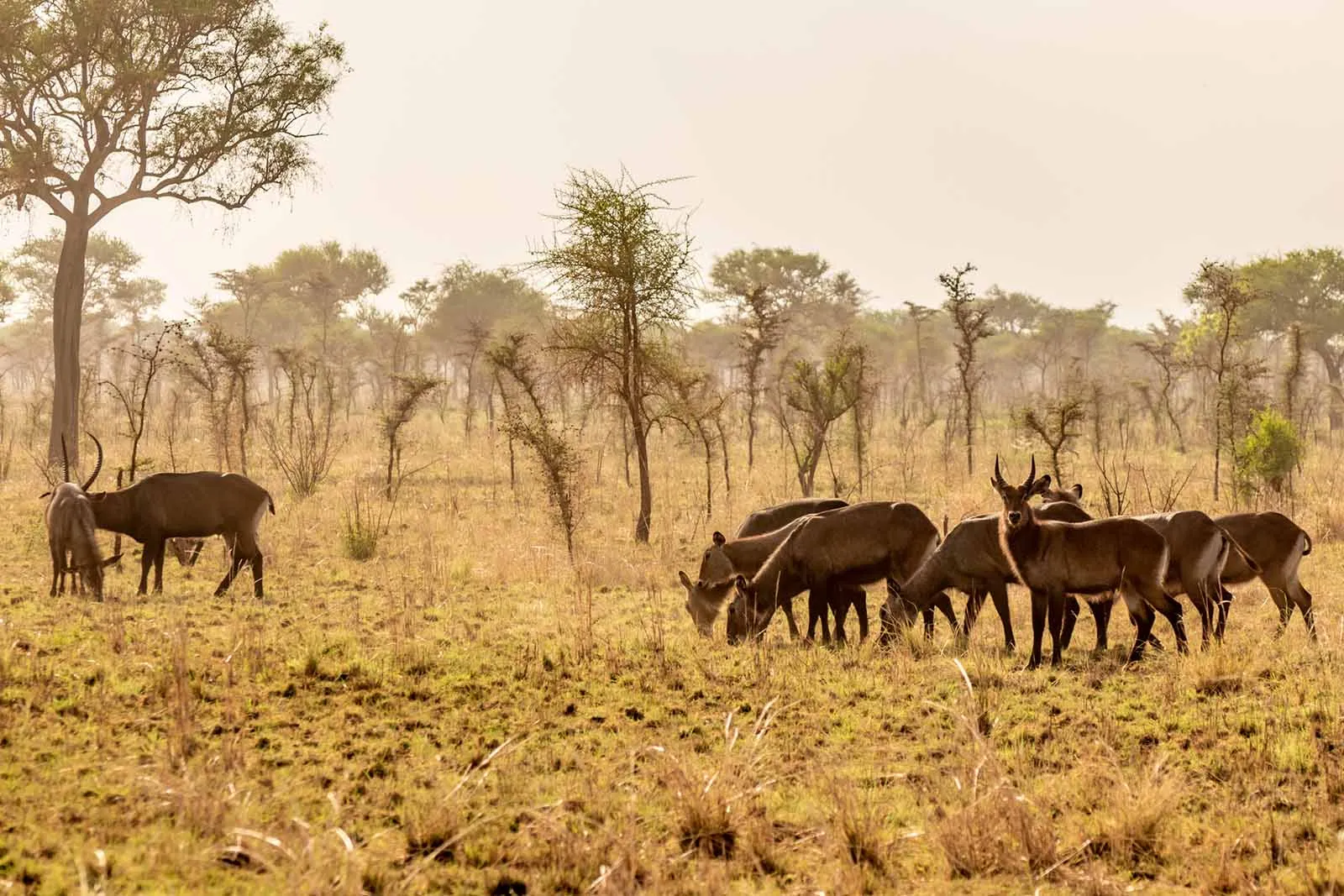
Pian-Upe is one of the few places in Uganda where visitors have an opportunity to see cheetahs in the wild. Other wildlife includes lions, leopards, Rothschild's giraffes, buffaloes, zebras, elands, roan antelopes, Jackson's hartebeests, Uganda kobs, waterbucks, mountain reedbucks, oribis, and numerous smaller mammals. The reserve is also a paradise for bird lovers, hosting over 240 bird species, including ostriches, secretary birds, shoebills in nearby wetlands, yellow-billed shrikes, raptors, and many migratory birds.
Unlike Uganda's more visited national parks, Pian-Upe offers an uncrowded and authentic wilderness experience. Visitors can enjoy guided game drives, birdwatching, mountain hiking, nature walks, cultural encounters with the indigenous Karamojong communities, photography safaris, and camping under the African sky. The reserve's untouched landscapes and low visitor numbers make it an ideal destination for travellers seeking solitude and immersive wildlife experiences.
Uganda Wildlife Authority continues to restore and protect Pian-Upe through anti-poaching initiatives, habitat management, wildlife monitoring, and community conservation programmes. These efforts have contributed to increasing wildlife populations and positioning the reserve as one of Uganda's emerging safari destinations.
Visa Information
The East African Tourist Visa is a multiple-entry visa that allows travelers to visit Uganda, Kenya, and Rwanda using a single visa for tourism purposes. It is valid for 90 days and must be obtained from the country where the visitor first enters the East African region. Once issued, visitors can travel freely between the three participating countries without applying for additional visas, provided they remain within Uganda, Kenya, and Rwanda. The visa is intended for tourism, sightseeing, and visiting family or friends, and it does not permit employment or long-term residence. This visa is an excellent option for travelers planning multi-country safaris, gorilla trekking, cultural experiences, or beach holidays across East Africa, offering a convenient and cost-effective way to explore the region.